


Table of Contents
- Introduction to Gynecomastia
- Fat, Gland, Excess Breast Tissue, and Skin: Three Different Problems
- Why Weight Loss Is Still a Good Idea
- Why Weight Loss Sometimes Makes Gynecomastia Look Worse
- When Weight Loss Alone Can Be Enough
- When Weight Loss Is Not Enough
- The Skin Question After Major Weight Loss
- Timing Matters: Lose Weight First or Treat First?
- Gynecomastia and Male Breast Reduction Surgery Are Not One Thing
- Risks and Complications of Gynecomastia Surgery
- Recovery and Aftercare
- The Bigger Picture: Weight Loss and Chest Confidence Work Together
- Final Perspective
Introduction to Gynecomastia
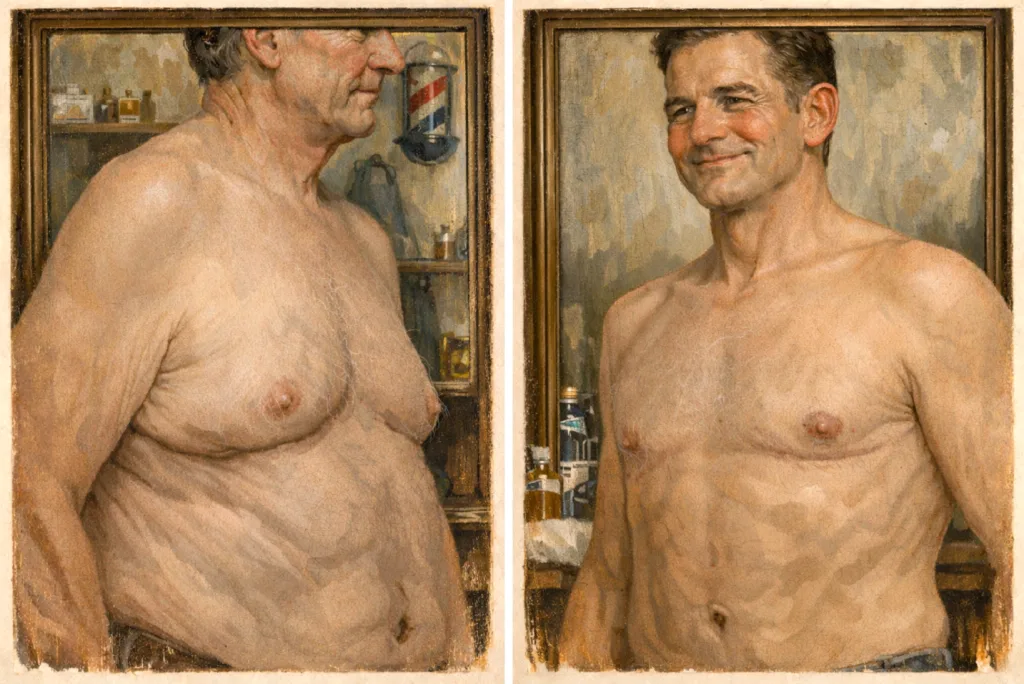
Gynecomastia is a common condition in which male breasts become enlarged due to an increase in excess breast tissue, excess fat, or both. This overdevelopment of breast tissue can affect men of all ages and backgrounds, often leading to emotional discomfort and a loss of self confidence. The causes of gynecomastia are varied and may include hormonal imbalances, genetics, obesity, or the use of certain medications that influence hormone levels.For many men, the presence of enlarged breasts can impact self esteem and make them feel self-conscious about their chest contour. Male breast reduction surgery, technically called reduction mammaplasty, is a plastic surgery procedure designed to address these concerns. By removing excess breast tissue, excess skin, and excess fat, male breast reduction surgery helps restore a flatter, more masculine chest contour. This breast reduction surgery not only improves physical appearance but can also have a significant positive effect on a man’s self confidence and overall quality of life.
Introduction to Gynecomastia
Gynecomastia is a common condition in which male breasts become enlarged due to an increase in excess breast tissue, excess fat, or both. This overdevelopment of breast tissue can affect men of all ages and backgrounds, often leading to emotional discomfort and a loss of self confidence. The causes of gynecomastia are varied and may include hormonal imbalances, genetics, obesity, or the use of certain medications that influence hormone levels.For many men, the presence of enlarged breasts can impact self esteem and make them feel self-conscious about their chest contour. Male breast reduction surgery, technically called reduction mammaplasty, is a plastic surgery procedure designed to address these concerns. By removing excess breast tissue, excess skin, and excess fat, male breast reduction surgery helps restore a flatter, more masculine chest contour. This breast reduction surgery not only improves physical appearance but can also have a significant positive effect on a man’s self confidence and overall quality of life.
Fat, Gland, Excess Breast Tissue, and Skin: Three Different Problems
The male chest can contain three contributors to an unwanted appearance.FatChest fat responds to weight loss. When overall body fat decreases, chest fat usually decreases as well. Many men experience ‘pseudogynecomastia’, which refers to enlarged male breasts caused by excess fat tissue alone.Glandular breast tissueTrue gynecomastia is made of glandular tissue beneath the nipple. True gynecomastia is characterized by the presence of breast gland tissue, which does not shrink with weight loss, even when a man becomes lean or athletic.SkinAfter significant weight loss, skin may not fully retract. This can leave laxity, stretch marks, or a hanging nipple even when fat and glandular tissue are minimal.Most men have some combination of these three. Weight loss affects fat strongly, glandular tissue minimally, and skin unpredictably. True gynecomastia requires the removal of both excess fat and breast gland tissue for effective treatment.
Why Weight Loss Is Still a Good Idea
It is important to be clear: weight loss is beneficial, even when it does not completely resolve gynecomastia.Adipose tissue is hormonally active. Fat expresses aromatase, an enzyme that converts testosterone into estrogen. Higher body fat can therefore contribute to a more estrogenic environment, which may promote or worsen breast tissue growth in susceptible men.Losing weight:
- Reduces estrogenic signaling
- Improves testosterone balance in many men
- Improves chest definition overall
- Improves candidacy for any future procedures
- Improves long-term health independent of appearance
Why Weight Loss Sometimes Makes Gynecomastia Look Worse
This is a common and confusing experience.As men lose weight, the surrounding fat in the chest and torso decreases first. The remaining glandular tissue beneath the nipple becomes more visible by contrast. The nipple may project more, and the chest can appear less uniform despite being smaller.Weight loss can also thin the skin, making underlying tissue more apparent through clothing. This is often when men realize that something other than fat is present.This does not mean weight loss failed. It means it revealed anatomy more clearly.
When Weight Loss Alone Can Be Enough
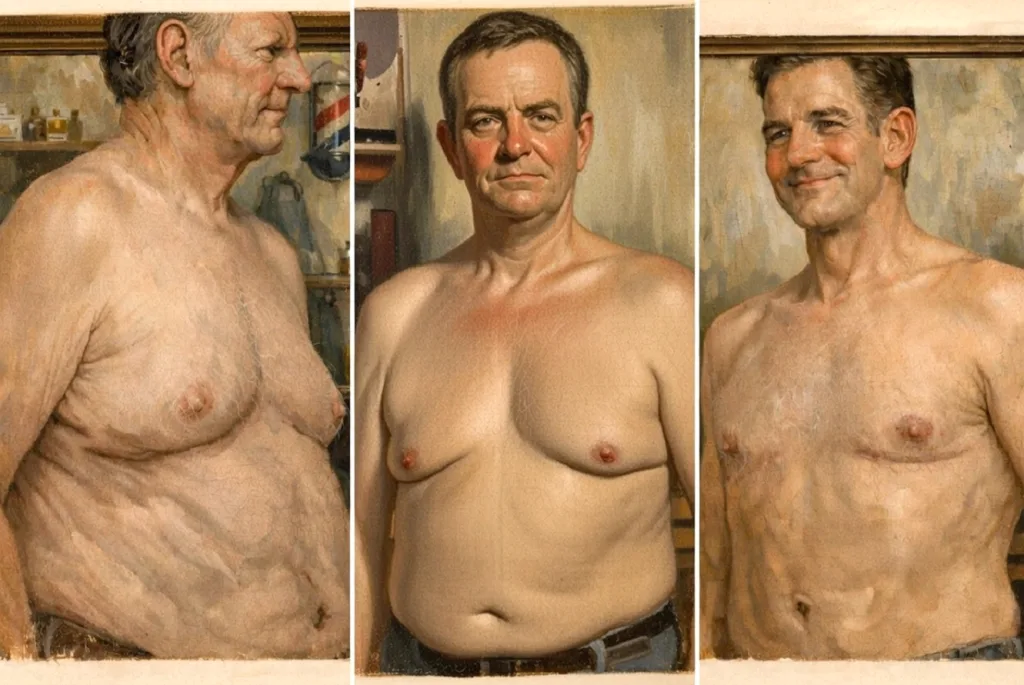
Weight loss may significantly improve or resolve chest appearance when:
- The issue is primarily fatty chest tissue without a firm gland beneath the nipple
- Overall body fat is high
- Skin quality is good and elastic There is no long-standing history of nipple prominence
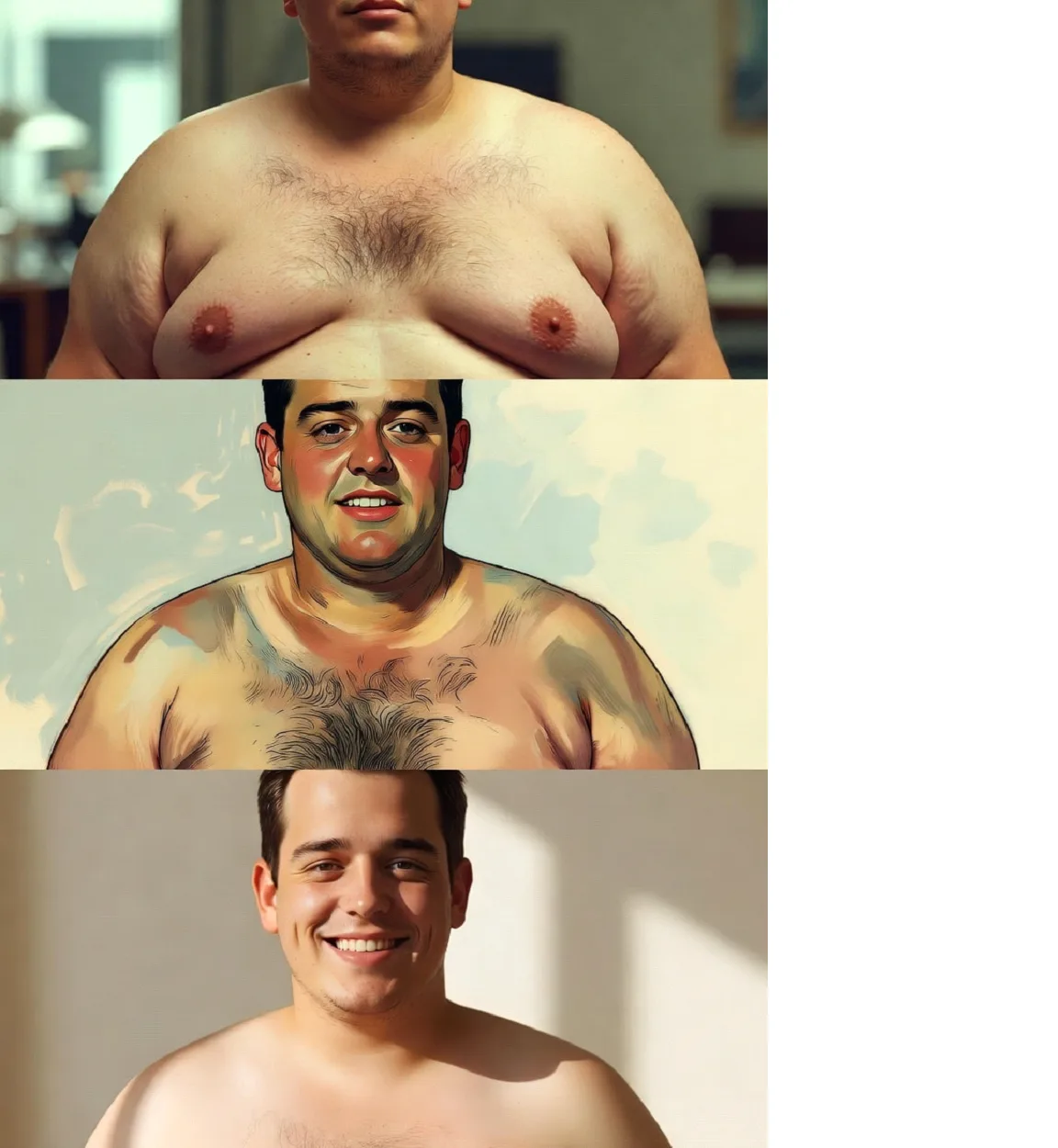
In these cases, weight loss may be all that is needed, or may reduce the problem to a degree that no further treatment feels necessary.
When Weight Loss Is Not Enough
Weight loss is unlikely to resolve the issue when:
- There is firm glandular tissue beneath the nipple
- Gynecomastia has been present since adolescence
- Chest fullness persists despite substantial weight loss
- The nipple-areolar complex remains prominent at rest
The Skin Question After Major Weight Loss
Large weight loss introduces another variable: skin.After losing 50, 70, or 100 pounds, some men are left with:
- Loose chest skin
- Stretch marks across the chest or around the areola
- A low or hanging nipple despite minimal fat
- Excision of glandular tissue alone
- Liposuction combined with gland removal
- Energy-based skin tightening
- Skin excision with nipple repositioning in select cases
- Breast lift for men with significant skin laxity
Timing Matters: Lose Weight First or Treat First?
For most men, the best approach is not either-or.General principles:
- Weight loss should come first if significant loss is planned or ongoing
- Surgery is best performed at a stable, maintainable weight
- Extreme leanness is not required before treatment
- Waiting for “perfect” fitness often delays resolution unnecessarily
Gynecomastia and Male Breast Reduction Surgery Are Not One Thing
The gynecomastia procedure is a type of cosmetic surgery performed by plastic surgeons to correct enlarged male breasts and restore a flatter, firmer, and more masculine contour. A gynecomastia consultation with a plastic surgeon is the first step, during which your medical history, concerns, and expectations are discussed to determine the best approach for you.The male breast reduction procedure is an effective treatment for both bilateral gynecomastia (enlargement of both breasts) and unilateral gynecomastia (enlargement of one breast). It can address excess tissue in one breast or both, depending on your needs. Before surgery, it is important to review your medical history and screen for medical conditions, including male breast cancer and endocrine system disorders, as these can influence treatment and outcomes.The gynecomastia procedure may involve surgical removal of excess fatty tissue and breast gland tissue. Surgical correction is tailored to each patient, with surgical preference and individual anatomy guiding the choice of technique. Incision patterns and small incisions are often placed within natural contours or around the edge of the areola to minimize visible scarring. In cases where the weight of excess breast tissue has caused sagging, excision procedures may involve repositioning the nipple and areola for a more natural appearance.Anesthesia options include local anesthesia with sedation or general anesthesia, and the procedure is usually performed as an outpatient procedure, allowing you to go home the same day. A thin tube may be temporarily placed under the skin to drain excess blood or fluid accumulation and support proper healing.After gynecomastia surgery, wearing a compression garment is essential to minimize swelling and support healing. Patients are typically advised to avoid strenuous activities for about 3 weeks, but most can return to work within a few days to a week. Soreness and swelling are common but usually minimal, and temporary loss of sensation in the treated areas may occur. It is important to follow your surgeon’s post-operative care instructions and attend all follow-up visits.Having realistic expectations is crucial, as results depend on your anatomy and the chosen surgical approach. Maintaining a healthy lifestyle and stable weight is key to preserving your results, as significant weight gain, steroid use, certain prescription medications, and some drugs can affect outcomes or cause recurrence. The final results are often permanent if you avoid weight gain and substances that could trigger breast re-growth.Risks of gynecomastia surgery include infection, bleeding, scarring, changes in nipple sensation, and the potential need for revision surgery. Gynecomastia surgery, also known as male breast reduction or reduction mammaplasty, is the most effective known treatment for enlarged male breasts and can be performed safely on teenagers and adults. The recovery process is generally tolerable, with many men returning to work or school within several days.There is a tendency to think of gynecomastia surgery as a single procedure. In reality, treatment is tailored.Some men need only glandular excision through a discreet areolar incision. Others benefit from liposuction to contour surrounding fat. After major weight loss, some men require skin tightening or selective skin removal to restore a masculine chest shape.These are not competing approaches. They are tools selected based on anatomy.
Risks and Complications of Gynecomastia Surgery
Like any surgical procedure, male breast reduction surgery carries certain risks and potential complications. While the majority of patients experience a smooth recovery and are satisfied with their results, it is important to be aware of possible issues that can arise. These may include bleeding, infection, scarring, or asymmetry between the two sides of the chest. Some men may notice changes in nipple sensation, which can be temporary or, in rare cases, permanent.There is also a small risk of anesthesia-related complications, as with any surgery. In some cases, additional surgery may be needed to achieve optimal results, especially if there is persistent excess tissue or if the initial healing does not produce the desired chest contour. Open communication with your plastic surgeon before and after male breast reduction surgery is essential to minimize risks and ensure the best possible outcome. By understanding these potential complications and following your surgeon’s advice, you can take important steps toward achieving optimal results from your breast reduction surgery.
Recovery and Aftercare
The recovery process following male breast reduction surgery is a crucial part of achieving a smooth, successful outcome and enjoying your new chest contour. Most patients can expect to spend several weeks healing, during which time it is important to follow your surgeon’s aftercare instructions closely. Wearing a compression garment is typically recommended to support the chest area, help reduce swelling, and promote proper healing of the new chest contour.During the first few weeks, you may experience some discomfort, swelling, or bruising, which can be managed with prescribed pain medication and by avoiding strenuous activities. It is important to refrain from heavy lifting, intense exercise, or any activity that could strain the chest area until your surgeon gives you the green light. Attending all scheduled follow-up appointments allows your surgeon to monitor your recovery process and address any concerns promptly.By taking care of yourself and adhering to your surgeon’s guidance, you can help ensure a smooth recovery and enjoy the benefits of male breast reduction surgery—a flatter, firmer, and more masculine chest contour that can boost your self confidence and overall well-being.
The Bigger Picture: Weight Loss and Chest Confidence Work Together
Weight loss improves health, hormone balance, and overall body proportions. Gynecomastia treatment addresses tissue that weight loss cannot reliably change. Together, they move men closer to their maximal, natural shape.The mistake is framing the issue as “weight loss versus surgery.” In reality, weight loss often sets the stage for better outcomes and clearer decision-making.
Final Perspective
Weight loss helps. It sometimes fixes the problem. It often improves it. And in many cases, it reveals what remains. Acknowledging that reality is not failure. It is understanding physiology.For men who want a thoughtful evaluation that considers fat, gland, skin, hormones, and long-term goals, care at Regeneris Men integrates these factors rather than treating them in isolation.Clarity comes from seeing the whole picture, not chasing a single solution.
Weight loss may significantly improve or resolve chest appearance when:
- The issue is primarily fatty chest tissue without a firm gland beneath the nipple
- Overall body fat is high
- Skin quality is good and elastic
There is no long-standing history of nipple prominence
Peak Masculinity
Starts Here

By Dr. Ryan Welter
February 19, 2026